


Staying Fit




















































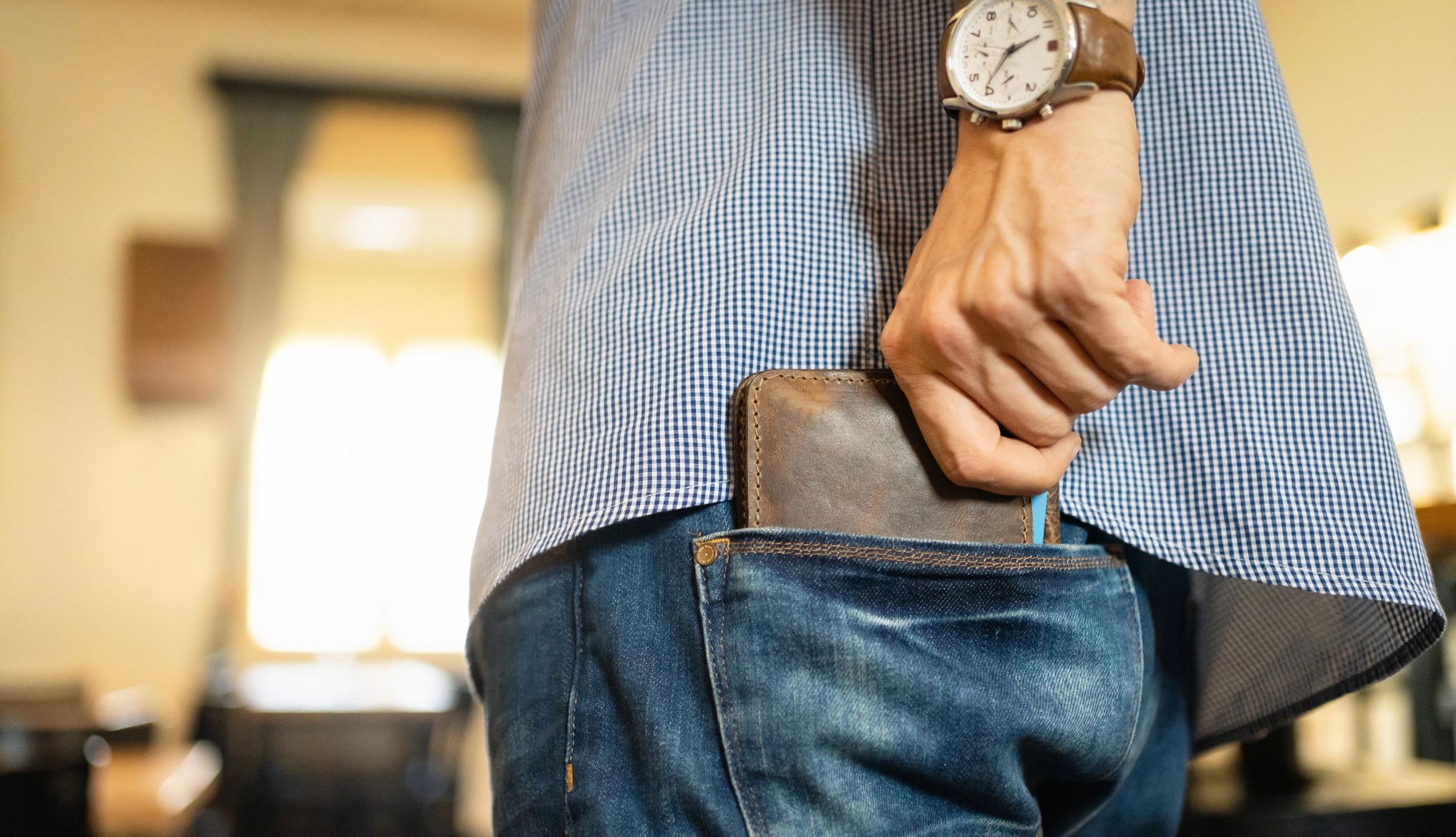
In an episode of Seinfeld, Jerry’s neurotic friend George Costanza has so much stuff jam-packed into his wallet that it’s ridiculed as a “filing cabinet.” Walking down the street, Costanza the pack rat tries to stuff one more thing inside, and the billfold explodes, scattering its contents to the wind.


Cybersecurity expert Jon Clay of Trend Micro urges consumers to keep the bare minimum in their wallets.
Trend Micro
Jon Clay, vice president of threat intelligence for Trend Micro, a global cybersecurity firm, mentions the episode when talking about what consumers should not carry in their wallets lest they lose valuable information. The lessons of the old sitcom remain timely in an era in which identity theft is epidemic: More than a million reports of identity theft were made to the Federal Trade Commission (FTC) in 2023, making it the number 1 type of fraud. Within that category, the top type of identity theft was credit cards, with more than 416,000 reports.
Thieves could take more than the cash in your wallet; they could profit from your stolen information, Clay says. A man in suburban Chicago left his wallet at a grocery store’s self-checkout. Even though the victim canceled his bank cards, the thief took his driver’s license and used it to withdraw $15,000 from his bank account.
“We all think we are being careful, but it takes one second for a criminal to steal our wallet or purse,” says AARP’s Amy Nofziger, who oversees its Fraud Watch Network Helpline at 877-908-3360.

How to keep your wallet safe
Your wallet can be leaner — and to cybercrooks, meaner. Many of the informational items we once carried can be accessed on our smartphones, including digital wallets that contain digital versions of your credit cards, prepaid cards and debit cards. Apple, Samsung and Google offer mobile payment services. For your analog wallet, take these steps:
1. Clean and sort. Take everything out of your wallet and sort it all, with an eye to paring it way back. Remove old receipts, shopping lists, business cards, single-store credit cards that rarely get used, coffee shop punch cards that you’ll likely never fill up, and so on. If it’s not something you’ll need often or in an emergency, keep it at home.
2. Store some items. Create a safe and secure storage system at home for the occasional wallet items you’ve removed. You can put extra cash there, too. Grab cards or items when needed, and when done with your errand, return the cards to their secure spot.
3. Make copies. Consumer advocates advise making photocopies (or taking smartphone photos) of the front and back of all your cards, so you know whom to contact if they go missing.